I prove that a tiny bedroom can feel sprawling through smart layouts, clever storage, and tactile textures that make every inch sing. I mix wall-to-wall solutions with multi-purpose furniture and light, bright palettes to open up space. Bed setups stay airy, while soft textures and sheer curtains blur edges. Color-blocking adds interest without clutter. Curious to see more small-space magic? Stick with me, and you’ll uncover practical tweaks you can try tonight.
Small Bedroom Design: Why Size Isn’t a Limit
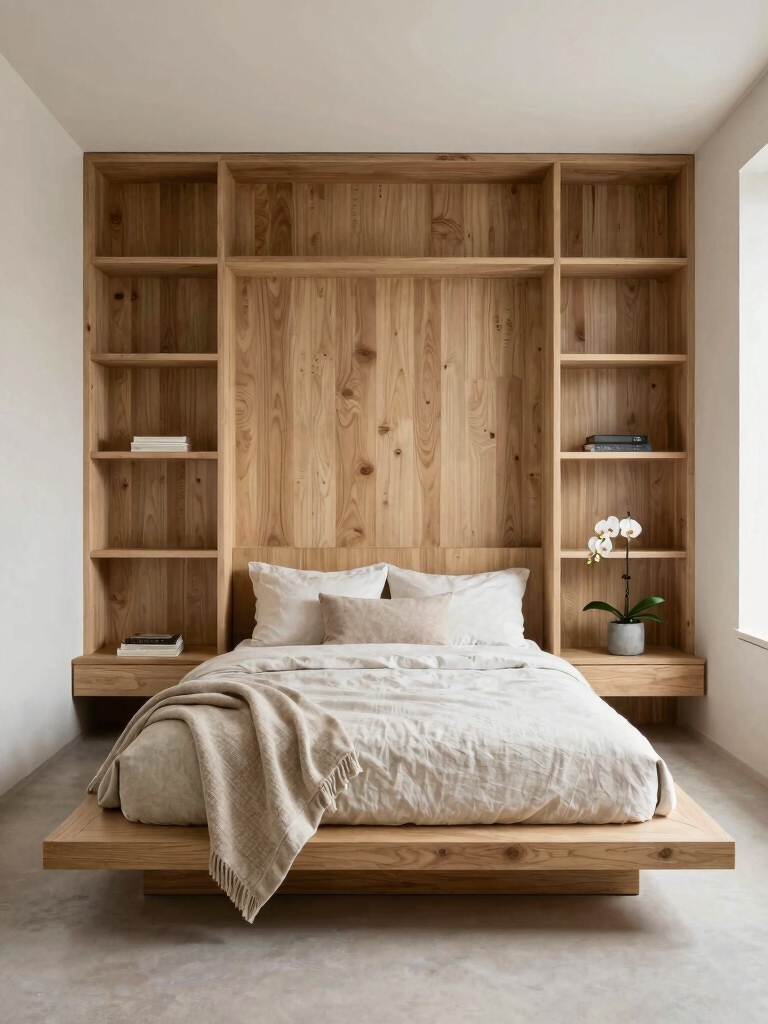
Small spaces can feel limiting, but I’ve learned that clever layout and characterful details prove size isn’t a constraint—it’s an invitation to get creative.
I design with scale, light, and mood in mind, choosing multi-functional pieces and playful color pops.
Let texture tell a story, mirrors double as windows, and nooks become mini paradises for rest, focus, and dreaming.
Welcome to compact elegance.
In fact, incorporating creative storage solutions is key to maximizing every inch without sacrificing style.
Maximize Wall-To-Wall Storage to Free Floor Space
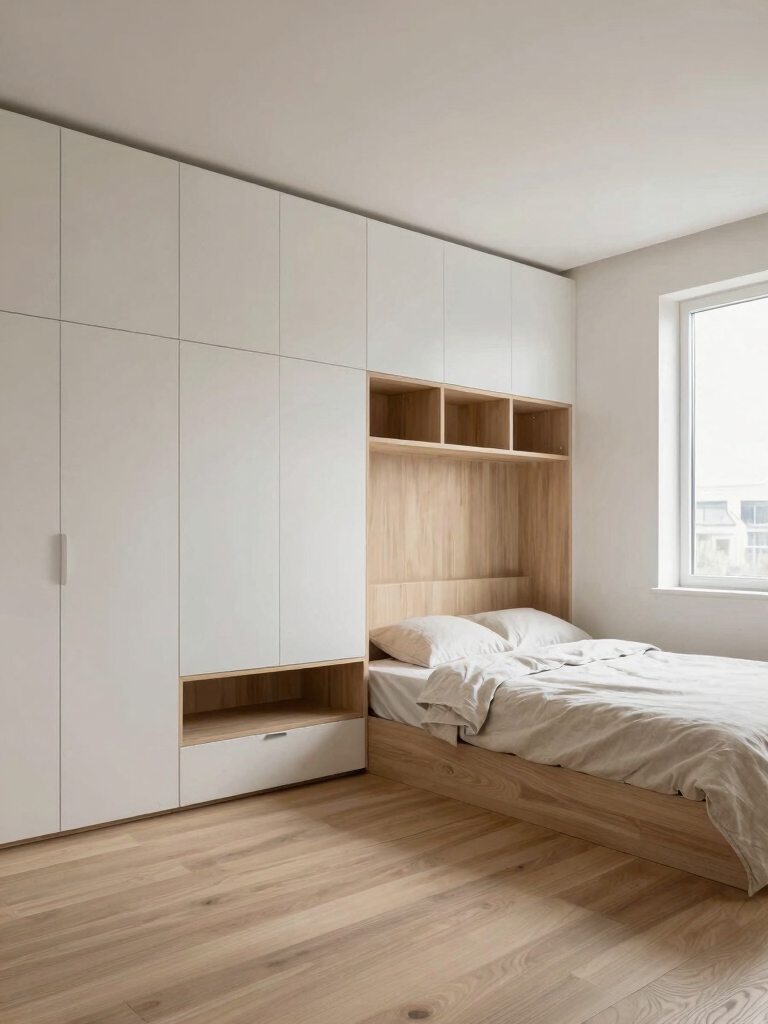
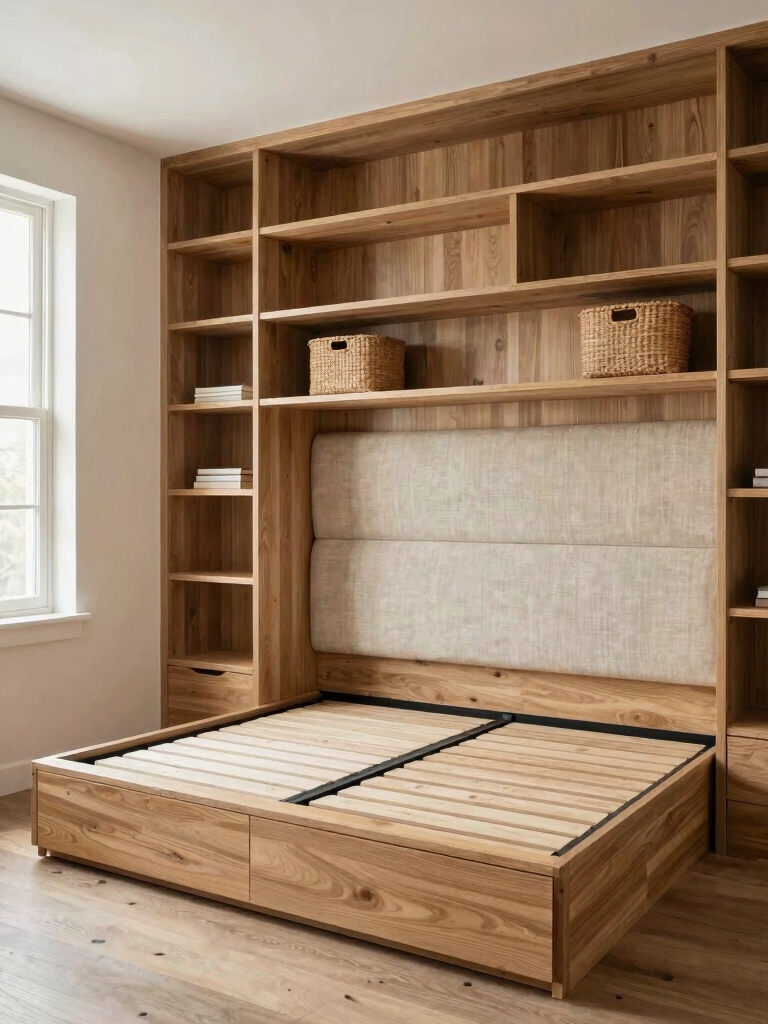
Walls first, floor second—that’s the motto when I maximize wall-to-wall storage to free floor space.
I stack vertical solutions, from tall bookcases to recessed niches, so everything has a home without crowding.
Sliding doors, open bins, and labeled cubbies keep clutter out of sight and mind.
You gain breathing room, style points, and a calmer, brighter room.
Incorporating clever storage solutions helps maintain a tidy small bedroom while hiding all the clutter effectively.
Pick Multi-Purpose Furniture That Saves Square Footage
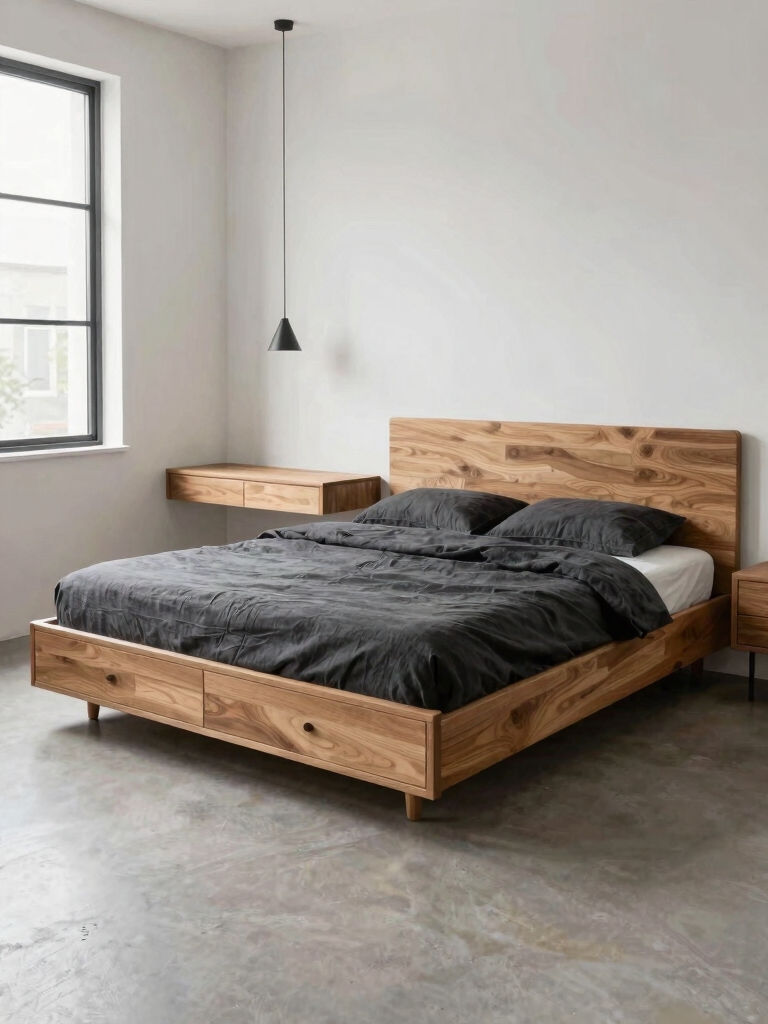
I’m all about multi-purpose pieces that earn their keep, from sofa beds to ottomans with hidden storage.
Think space-saving design hacks that feel thoughtful, not gimmicky, and I’ll show you how to pick furniture that genuinely clears floor space.
Let’s explore practical, stylish options that keep your room airy while staying incredibly functional.
For renters, choosing solutions that don’t require permanent modifications is key, making clever bedroom solutions essential for maximizing small spaces.
Multi-Function Essentials
A single piece can do triple duty, and that’s the magic of multi-function furniture.
I’m sharing essentials that save space without sacrificing style, reader.
Here are 4 game-changers:
1) Storage beds to tuck away clothes
2) Fold-away desks for effortless work
3) Convertible sofas for lounging to hosting
4) Nesting tables that multiply surface area on demand
Space-Saving Design Hacks
Let’s get playful with space: multi-purpose furniture is my secret weapon for squeezing function into every square inch.
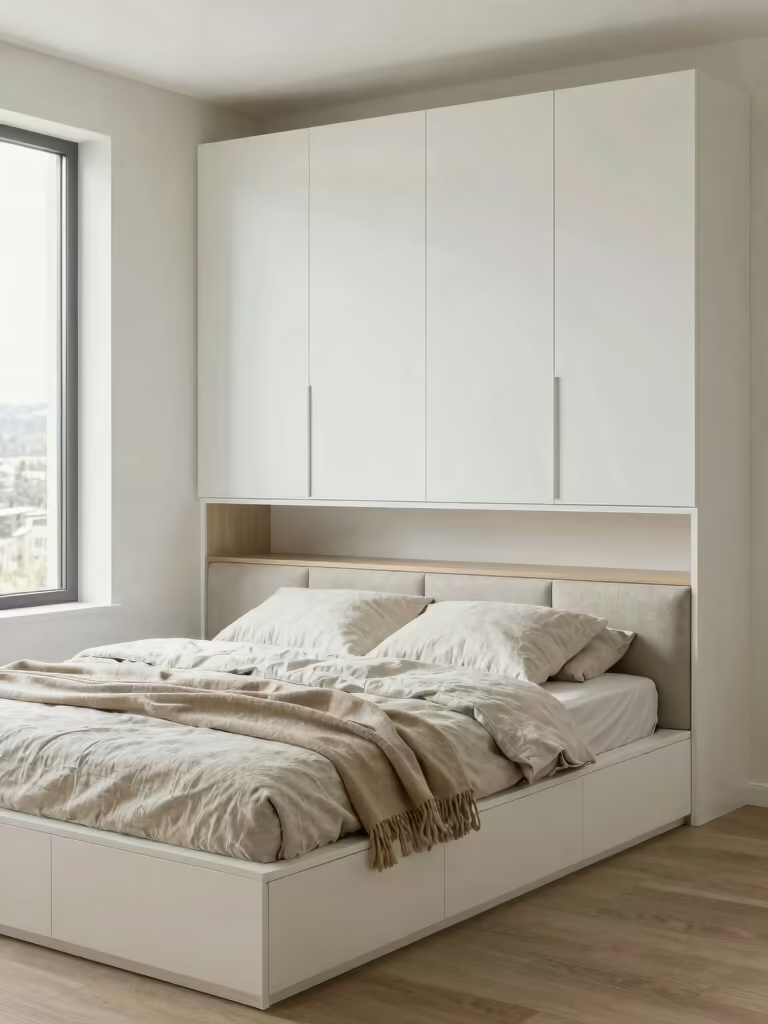
I mix a bed with drawers, a desk that folds into a console, and poufs that double as side tables.
Smart silhouettes, hidden hinges, and light tones keep the room breathable while maximizing usable space without feeling cramped.
Design-forward, always practical.
Hidden Storage Solutions
Hidden storage can be stylish and sneaky, so I’m keeping the space-saving momentum going with multi-purpose pieces that pull double duty.
Here’s how I lean into clever, compact solutions:
- Ottoman bed with drawers
- Floating shelves with hidden compartments
- Nested tables doubling as ottomans
- Under-bed totes on wheels
Trust me—tiny room, big possibility.
Light, Bright Palettes to Make a Room Feel Bigger
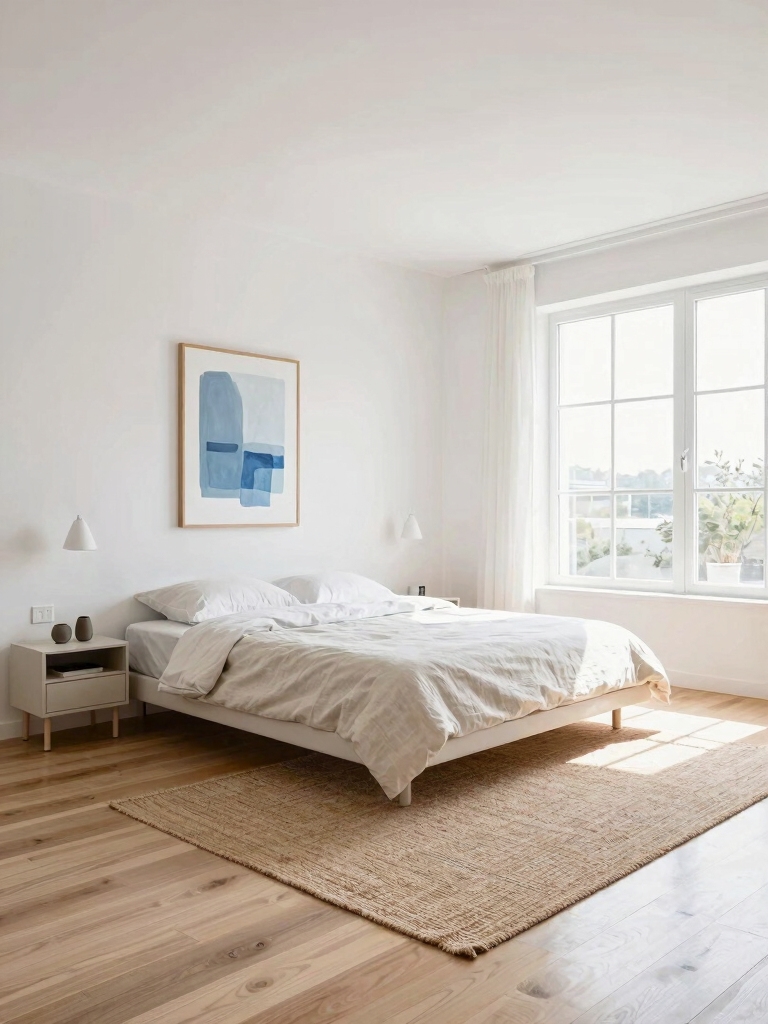
Light colors bounce more light, so even a small room feels brighter and bigger.
I’ll show you how light-reflecting surfaces and airy palettes amplify the sense of space.
Let’s play with shades that lift the room without washing out its personality.
Incorporating charming small bedroom ideas can enhance the coziness while maintaining an open feel.
Light Reflects Space
Sunlight is a natural genius at fooling the eye into thinking a space is larger, and I’ve got a few simple tricks to harness it: bright walls, glossy surfaces, and light-colored furnishings bounce around the room for a more open feel.
- Reflective finishes
- Large windows
- Minimalist decor
- Strategic mirrors
Bright Palettes Amplify Size
A bright palette naturally expands a room, so I like to keep things airy after I’ve talked about bouncing light with reflective finishes and mirrors.
I lean into light walls, airy ceilings, and subtle contrasts that keep eyes moving upward. Add punch with a statement rug or textiles, but stay cohesive.
Bright tones feel fresh, approachable, and instantly larger without effort.
Bed Setups That Stay Open and Airy
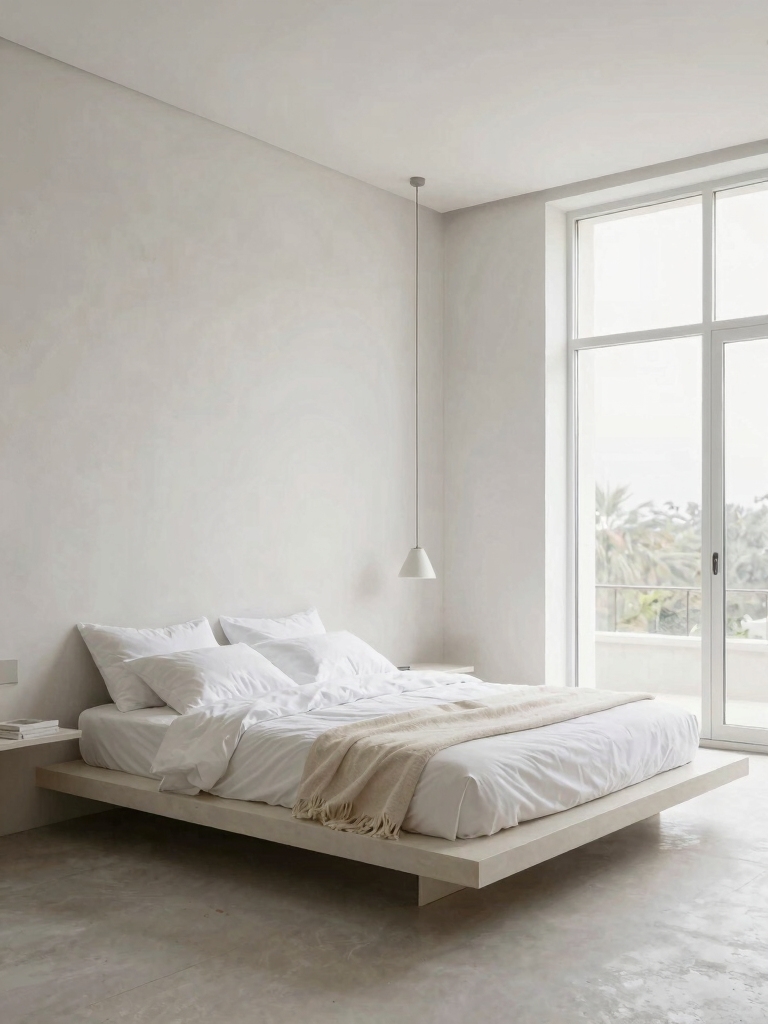
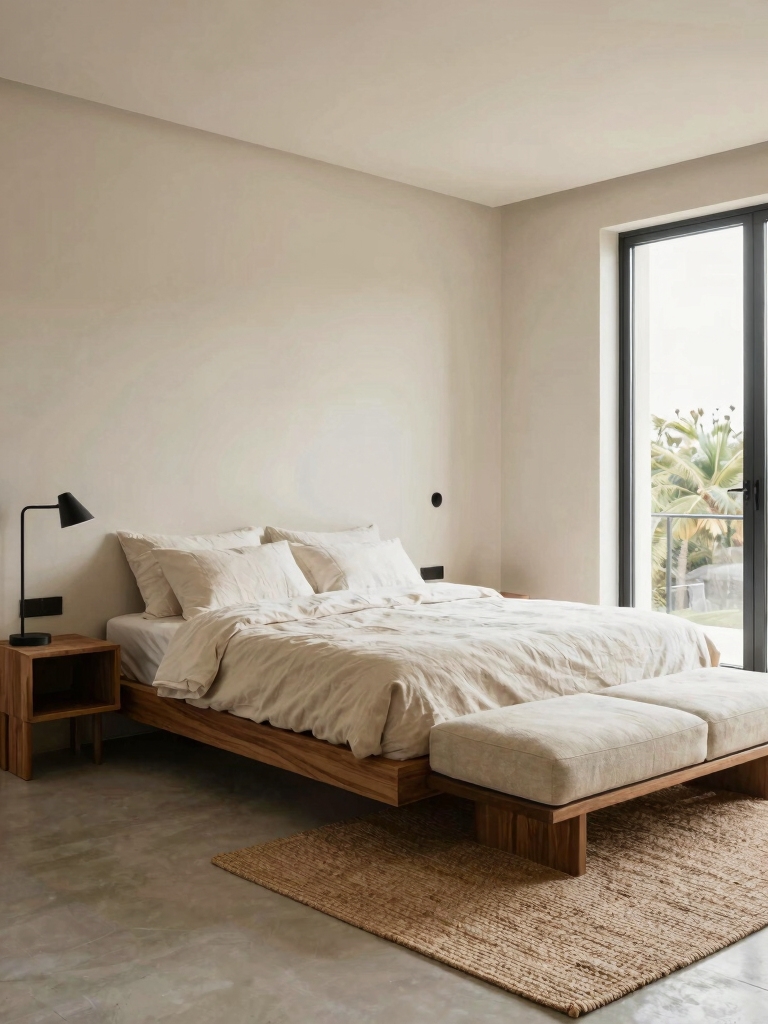
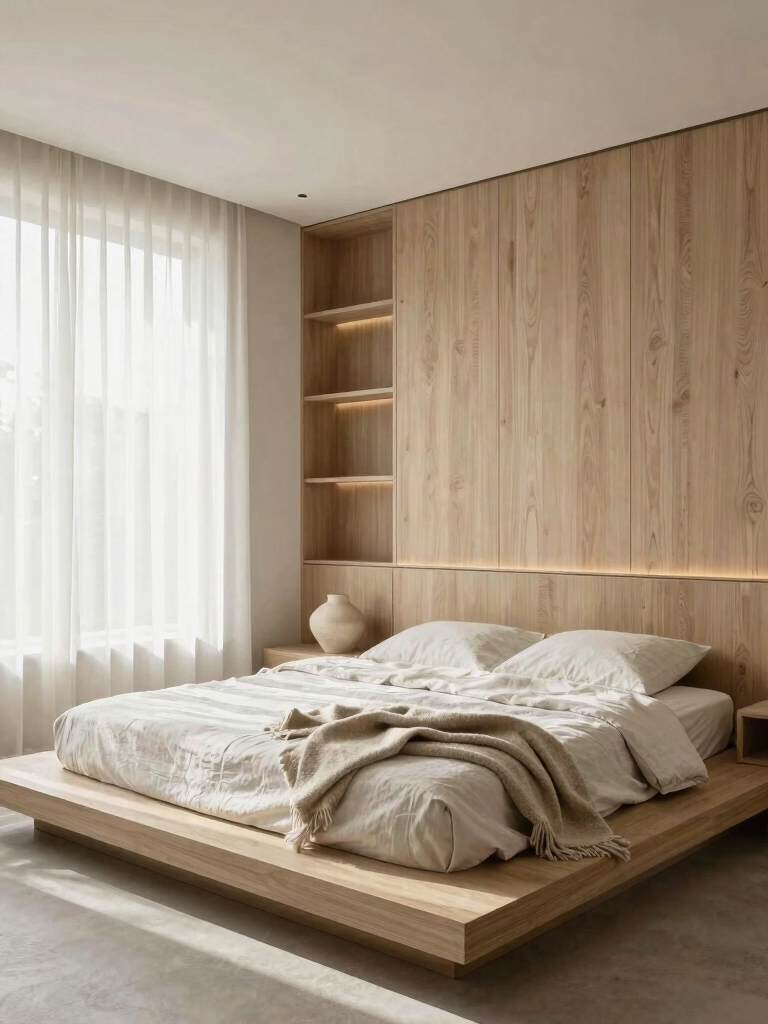
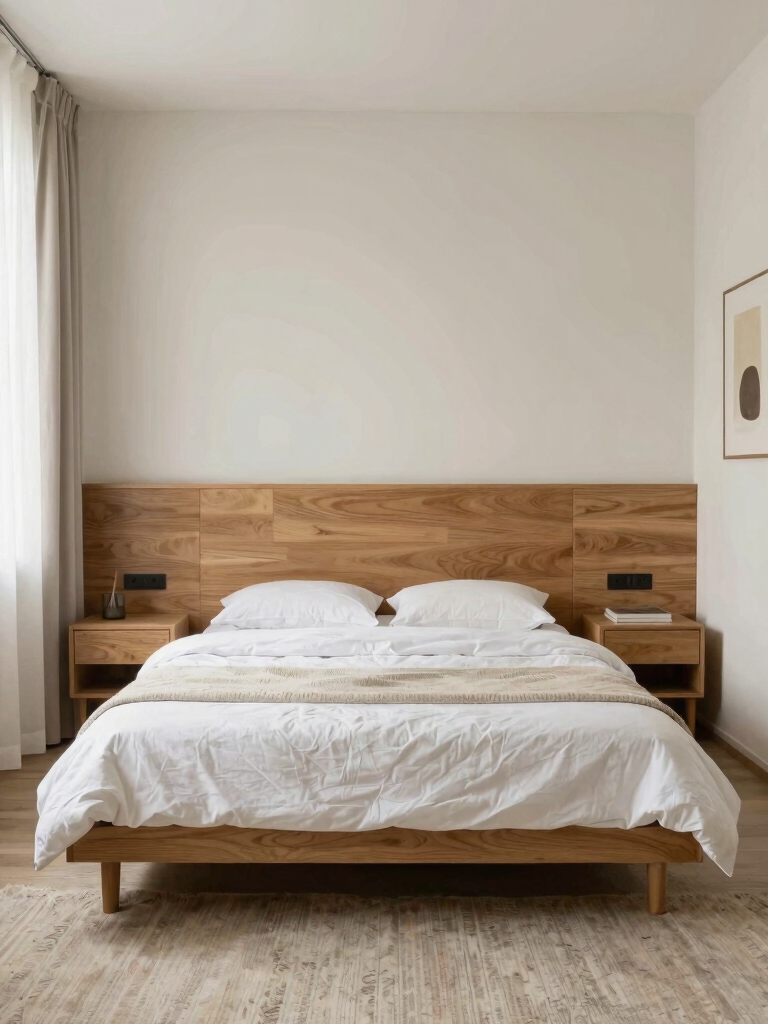
I’ll show you bed setups that keep the room feeling spacious: low profiles, wall-mounted headboards, and bedding that hugs the floor instead of piling up.
Embrace light, scale, and flow.
- Choose a low-profile frame
- Install a wall-mounted headboard
- Use tucked, breathable linens
- Favor minimal furniture with clean lines
Incorporating mirrors and light colors can also enhance the sense of space by reflecting light and creating an airy atmosphere, key elements in small bedroom design.
Ceiling-Height Design Tricks That Draw the Eye Up
Want to make your ceiling feel taller without ripping out walls? I’ll share quick tricks that draw the eye up.
Keep lines vertical with tall curtains and slender bookcases, plus a high-contrast crown molding.
Add reflective surfaces or a light, airy wallpaper pattern near the ceiling.
Color the upper third slightly lighter to lift the room instantly.
Simple, stylish elevation.
Incorporating these ideas can help you maximize space and style, just like the cozy bedroom ideas small room fans swear by.
Create Clear Zones With Furniture, Not Walls
Clear zones make a small bedroom feel bigger—and you can do it with furniture, not walls.
I guide you to carve space with shapes, height, and placement. Here’s how:
- Define sleeping, lounging, and dressing areas with contrasting rugs.
- Use open shelving as dividers, not walls.
- Choose modular pieces that swap roles seasonally.
- Align beds and desks to create visual corridors.
Additionally, incorporating space-saving ideas specifically designed for tiny bedrooms can maximize functionality without overcrowding.
Hidden Storage Ideas That Blend In Seamlessly
I’m loving how hidden cabinet solutions can vanish into your space, yet keep everything you need within reach.
When I design, I favor seamless inset storage that feels like it’s always been there, not added on.
Let’s explore clever, quiet storage ideas that blend in with your room’s vibe and keep the floor space feeling calm.
Incorporating small bedroom closet ideas can make a huge difference in achieving instant organization without sacrificing style.
Hidden Cabinet Solutions
Hidden storage doesn’t have to scream for attention; I’m all about cabinets that disappear into the room’s design.
I curate hidden cabinet solutions that feel intentional, not gimmicky. Here are ideas I love:
1) Flush doors blend with walls
2) Under-bed drawers maximize space
3) Corner cabinets maximize awkward nooks
4) Recessed shelves keep essentials reachable without clutter
Seamless Inset Storage
I tucked shelves and drawers into wall recesses, so your room stays calm yet capable. You pull open a drawer that appears flush, nothing sticking out.
No fuss, just smart organization that reads as intentional minimalism. It’s functional, fashionable, and practically invisible when you’re not using it.
Mirrors and Reflective Surfaces for Depth and Light
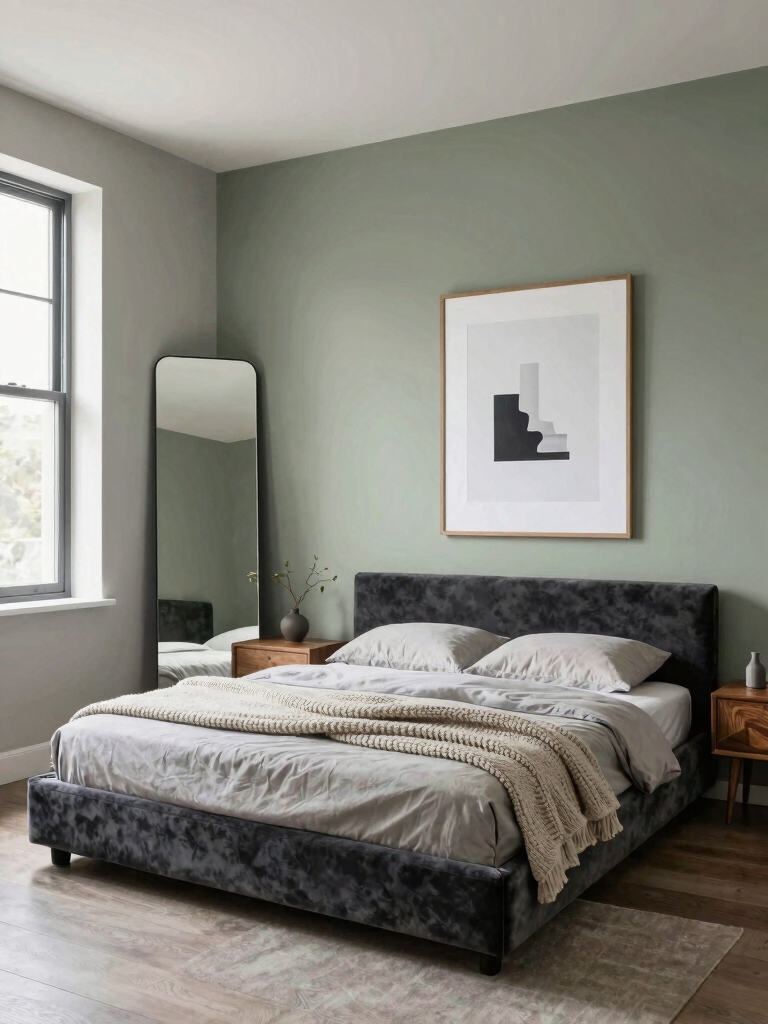
Mirrors do more than cheat the room into feeling bigger; they bounce light around to brighten corners and make textures pop.
I glimpse depth by layering reflective surfaces, then guide your eyes with bold angles.
Here are ideas:
- Hang oversized mirrors off-center
- Lean a tall mirror at a diagonal
- Use mirrored furniture
- Pair with warm metal accents
Incorporating a small vanity with reflective elements is a favorite trick bedroom designers use to maximize both style and function in limited spaces, adding charming vanity ideas that elevate the room’s appeal.
Soft Textures and Window Treatments to Expand Perception
Soft textures and window treatments can do a lot of the lifting in a small bedroom; the trick is to choose materials and layers that whisper rather than shout.
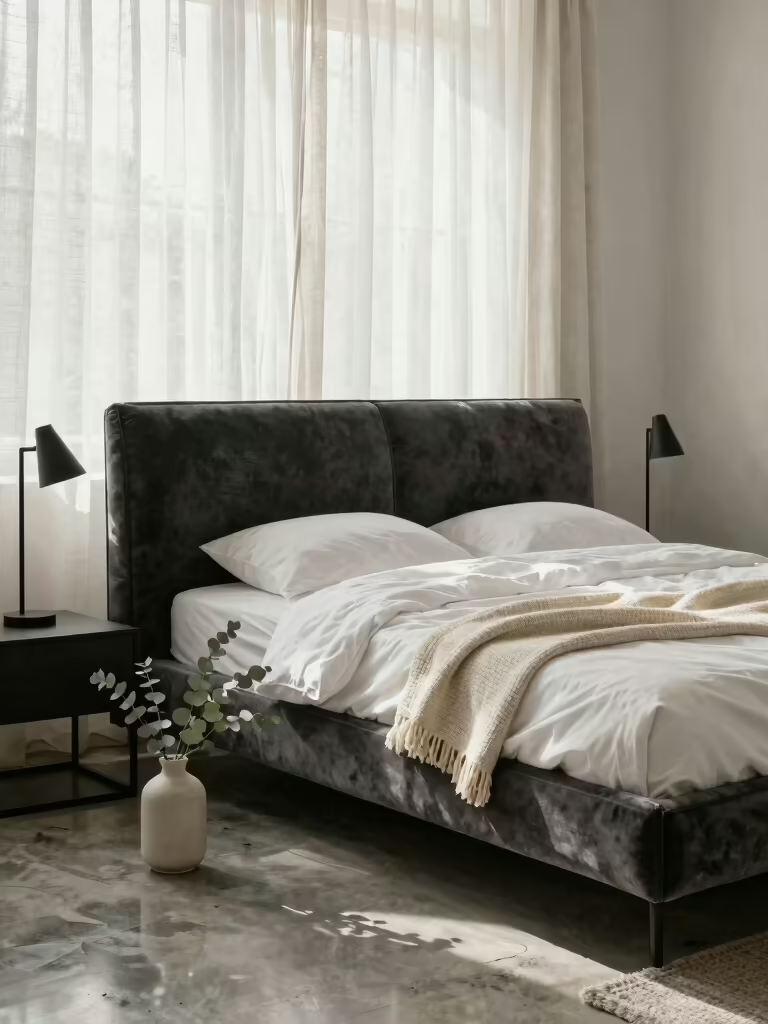
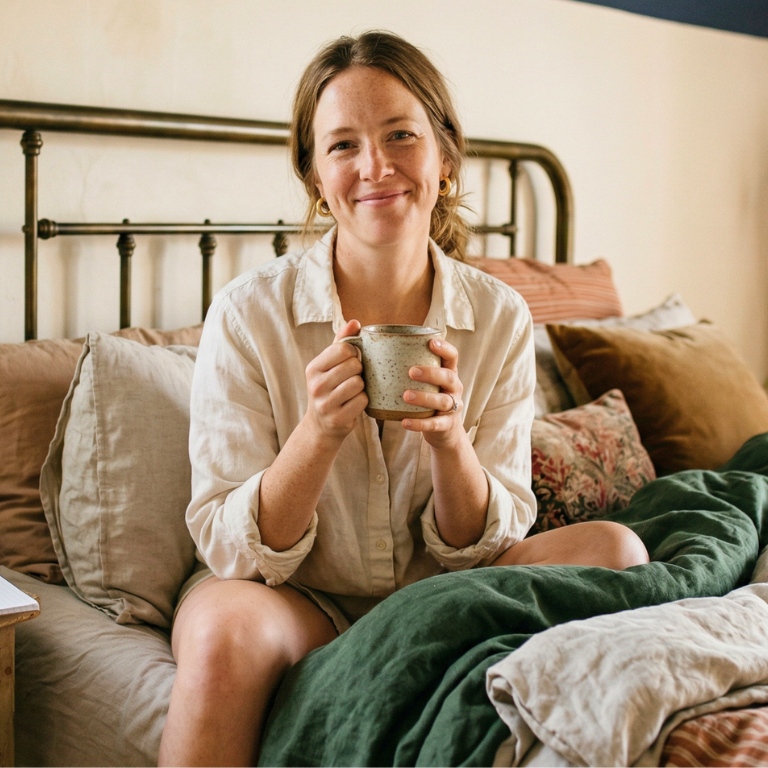
I lean into tactile fabrics—linen, velvet, cotton—paired with sheer curtains that blur edges.
Keep patterns subtle, colorways light, and layer with roman shades for clean lines and expanded perceived space.
Incorporating these elements thoughtfully helps you elevate your space and make the most of every inch.
Color-Blocking and Accents That Add Interest Without Overwhelm
Color-blocking decoys the eye just enough to add interest without crowding the room.
I guide you to playful, intentional pops that stay calm.
Here’s a quick framework:
- pick a 2-tone palette
- repeat accents across surfaces
- limit color swaps to 3 areas
- use matte finishes for cohesion
Small-Bedroom Layouts You Can Replicate Today
Small bedrooms can surprise you with smart layouts that feel roomy and still cozy.
I’m sharing layouts you can copy tonight: a low-profile platform bed to free floor space, a floating desk for quiet work, and a corner wardrobe that tucks away without crowding.
Use symmetry, light neutrals, and a single bold accent to keep the vibe calm and chic.
Before-and-After Checklist: Tiny Space, Big Impact
From those tidy layouts, you can start with a practical Before-and-After checklist that proves even tiny spaces get big wins.
I guide you, reader, through quick, stylish swaps that spark instant impact.
- Declutter decisively
- Lighten walls, add mirrors
- Multi-functional furniture
- Zone with color pops
Conclusion
So there you have it: a tiny room that feels big enough to host a parade of accessories, all without needing a crane or a miracle. I’ve shown you clever storage, multipurpose furniture, and a palette that smiles at space constraints. If your closet can breathe, so can your life. Now go ahead, borrow a chair from the kitchen, call it a bedside ottoman, and pretend you didn’t just master the art of making a Bedminster-sized bedroom out of a closet. You’re welcome.